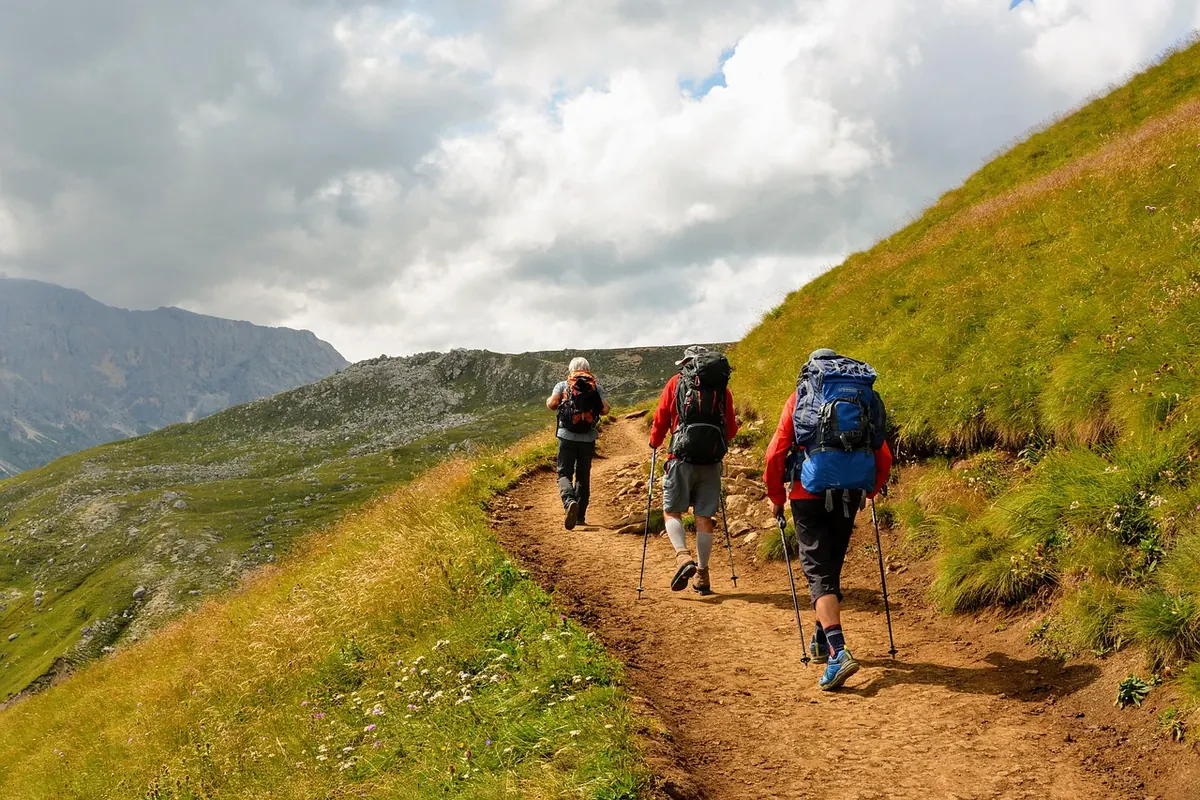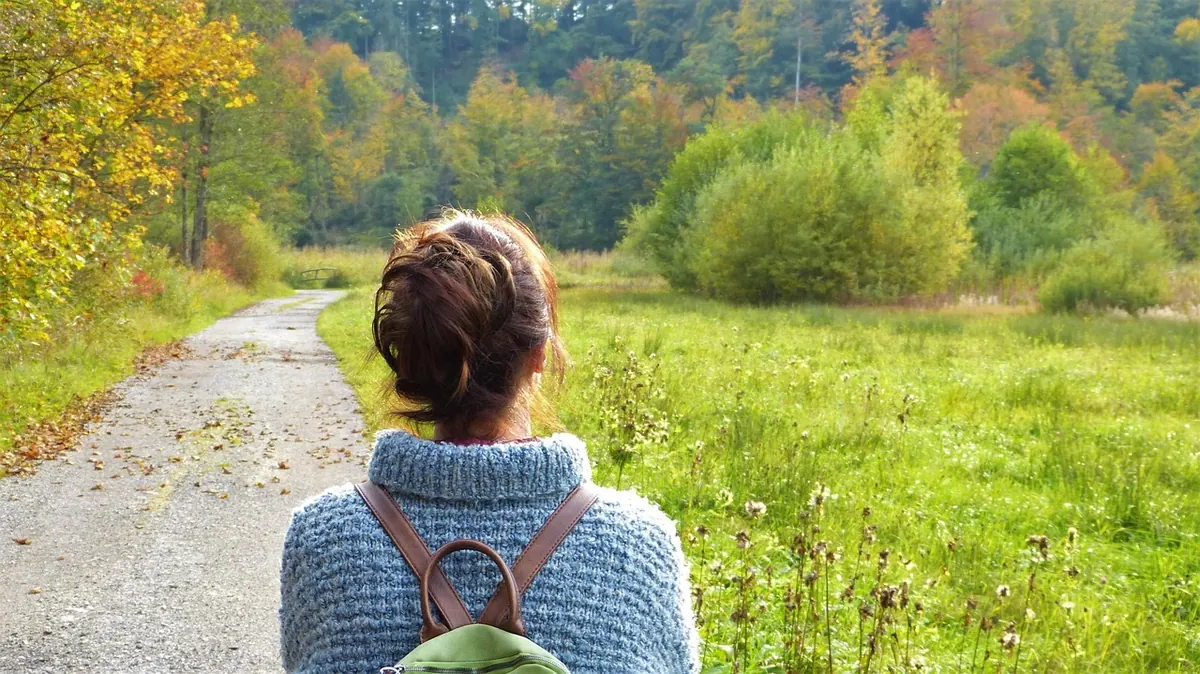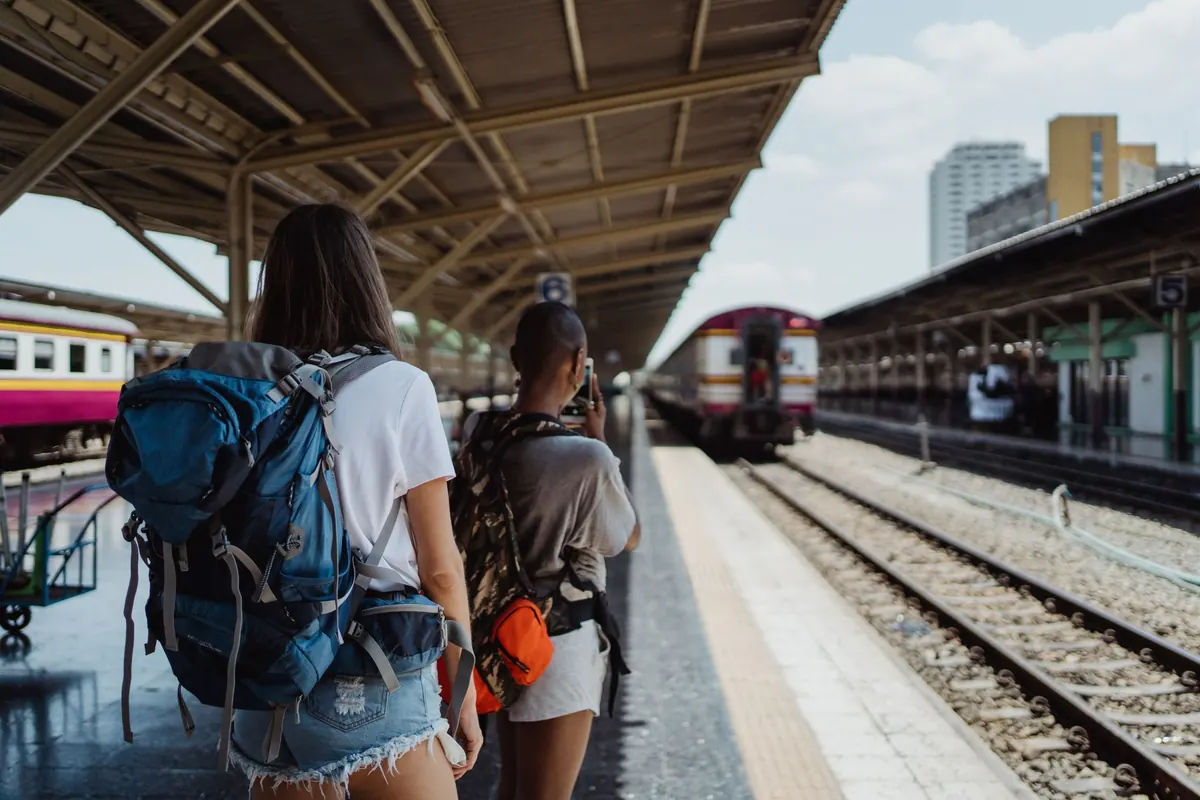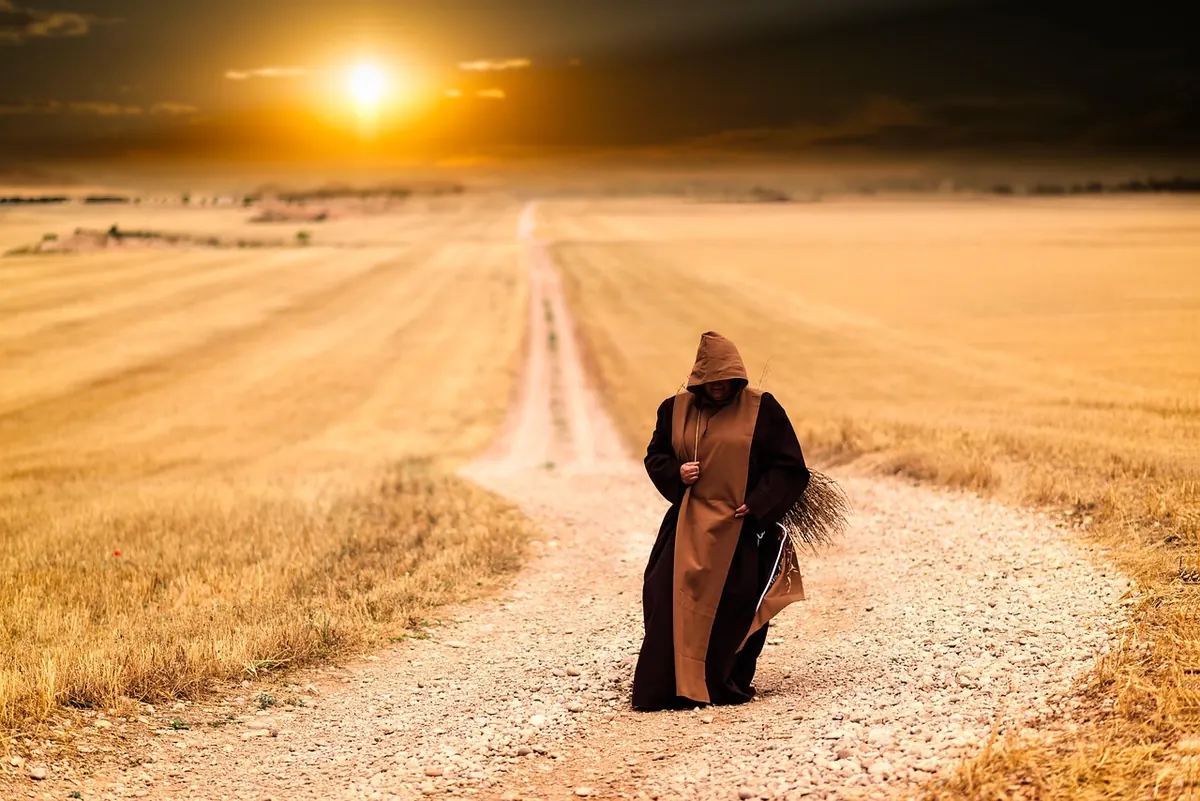
Set out on foot from almost any European cathedral town early enough in the morning and you will meet them: a retired teacher with a scallop shell on her pack, two students sharing a paper map, a man walking alone with a rosary in his pocket and a train ticket he hopes not to use. They are all pilgrims, even the ones who would hesitate at the word. The practice is older than any of the routes they follow, and it survives because it answers something that a plane ticket does not.
At its simplest, a pilgrimage is a journey to a place that a person or a community holds to be sacred, undertaken for a religious purpose. That is the definition most dictionaries give, and it is accurate as far as it goes. But the lived experience is broader. A pilgrimage is travel with an intention attached: you are not moving for the sake of moving, or for a holiday photo, but to arrive somewhere that matters and to be changed a little by the getting there.
Three elements usually show up, whatever the faith or the century. There is a destination — a shrine, a tomb, a mountain, a river. There is a route, often a traditional one that others have walked before you. And there is a discipline: walking rather than riding, fasting, silence, prayer, or simply the daily grind of covering distance with blistered feet. Strip away the theology and the discipline still does its work on almost anyone.
Pilgrimage appears in nearly every major religion, and the resemblances between them are striking.
The details differ enormously. What repeats is the shape: a journey outward that is supposed to produce a journey inward.
The word "pilgrim" now covers a wider crowd than it used to. Many walkers on the Camino or the Via Francigena describe themselves as spiritual rather than religious, or as neither. They come for reasons that are honest and, in practice, quite serious.
Some want time out of ordinary life — a period with a beginning and an end, where the day's purpose is simply to get to the next village. Some are marking a transition: a bereavement, a retirement, a divorce, a milestone birthday. Some are drawn by history and landscape, following a medieval road across a plain and finding that walking it slowly teaches more than any guidebook. Others walk for the body: long-distance walking is forgiving exercise, and it suits people who dislike gyms.
The routes welcome all of them. On most European caminos there is no test of belief, no conversion required. The only things asked are that you carry your own weight, respect the places you pass through, and do not pretend to a faith you do not hold.
Most people build their first route from the same handful of decisions. In order:
The pilgrims who enjoy themselves are almost always on the road by seven and finished by early afternoon. Heat, empty water bottles and tired legs punish late starters. Early arrivals also get the beds.
A common rule of thumb is a pack around a tenth of your body weight — but the better test is whether you can lift it over your head one-handed. Two shirts, two pairs of socks, one warm layer, a rain shell, a hat. Laundry soap. Everything else is optional.
Maps, bookings and a message home are legitimate uses. Scrolling through a feed while walking compresses the day into noise. Many pilgrims keep the phone in the bag between stops, and some keep one day a week entirely offline. Tell someone where you are and when you expect to arrive; safety comes first.
A pilgrim's credential filled with stamps is a record of your own days, not a trophy. Get the stamp, thank the person, and move on.
Groups that stay locked together tend to fray. Better to agree on a lunch stop and an evening address, then drift apart for the day. The conversations at the end are usually better for it.
Some of the most valuable hours of a long route are the ones with nothing in them at all. No music, no plan, just the road. It takes about three days for most people to stop missing the noise.
A shrine is not a museum with a gift shop attached. Cover shoulders and knees where that is local custom, take off shoes where it is asked, keep voices low, and stay out of the way of anyone praying. Photograph the architecture, not the worshippers. If a site offers a service or a blessing, it is fine to attend quietly as a guest and to sit toward the back. Where there is a donation box, a modest contribution is a reasonable courtesy.
Break in your boots on three long walks before departure. Take a physical map or a downloaded backup, plus a power bank. Carry a small first-aid kit for blisters — especially a needle, disinfectant and tape. Learn a dozen words of the local language. Check whether your route crosses mountain stages or ferries, and plan those days first. Insurance that covers walking holidays is worth looking into, and if you have a heart condition, a recent injury or you are taking regular medication, speak to a doctor before committing to long daily distances.
Then start smaller than you think you should. A week on an established route will tell you more about whether pilgrimage is for you than a year of reading about it. The road is patient. It will still be there when you come back for the longer stretch.
Photo: josealbafotos / Pixabay