A first pilgrimage to the Holy Land is not a trip you can improvise the week before you fly. The flights are the easy part. What shapes the experience is everything around them: which route you follow, whether you join a group, how you prepare your interior life, and whether you remembered that the Church of the Holy Sepulchre asks for covered shoulders in July. Get those things roughly right and the journey has room to become what you hoped for. Get them wrong and you spend ten days catching up. Here is the order in which to deal with them.
Most first-time pilgrims follow one of two shapes. The first is the classic Gospel loop: a few days in Galilee, a few days in Jerusalem, with Bethlehem, the Dead Sea and the Jordan River woven in. The second is wider — adding Caesarea Maritima, Masada, Jaffa, and often a Jordan extension to Bethany Beyond the Jordan, Mount Nebo, Madaba and Petra.
The geography is more forgiving than the map suggests. Jerusalem to Nazareth is roughly two hours by road; you can sleep in one place and reach most of the Gospel sites within a day. That is also the trap. Because everything looks close, first-timers build itineraries with a new hotel every night and end up seeing the Holy Land through a bus window.
A workable rhythm for eight to ten days: two nights in Galilee, three or four in Jerusalem, and no more than two one-night stops in the whole trip. Keep your final day almost empty. You will want it for the places that moved you and that you rushed past on the way in.
A group does the unglamorous work for you: transfers, site bookings, a guide who knows which chapel is free for Mass at 6.30am, and someone to make the call when a road closes. On a parish or diocesan pilgrimage you also get the thing the brochures undersell — a shared rhythm of prayer and a priest travelling with you. The trade-off is pace. Groups move early, eat together, and stop when the schedule says stop, not when you would like to sit on the Mount of Beatitudes for another twenty minutes.
Travelling alone or as a couple gives you that time back, and it is entirely doable. Base yourself in Jerusalem, use the light rail and shared shuttles, and hire a licensed guide for at least one full day in the Old City — those alleys repay a local eye. The work you take on is real, though: transport between regions, the seam between Israel and the Palestinian Territories, and the daily decisions about where to eat and when to move.
A good middle path: a small-group tour of twelve to twenty people, or a self-guided trip with a driver-guide booked for two or three key days. If you are joining a group, ask how many are booked and how long the walking days are. Those two numbers tell you more than the hotel list.
Rules change, and they differ by nationality, so treat this as a checklist rather than an answer. Check your foreign ministry's travel advice and the relevant embassy website in the month before you go, and again the week before. Many nationalities enter Israel visa-free for short tourist stays; others need to apply in advance. Jordan offers visa-on-arrival for many travellers, and the Jordan Pass can cover the visa fee along with entry to Petra if you stay long enough. Confirm the current terms yourself rather than relying on a blog post, including this one.
Read one Gospel from start to finish before you go. Mark is the quickest and lands hard. Then pick three or four sites you genuinely care about and read the passages attached to them, slowly, the week before you leave. It is the difference between standing in a crowded church and standing in a story you already know.
I was glad when they said to me, "Let us go to the house of the Lord." — Psalm 122
Set your expectations honestly. The Holy Land is a living place, not a diorama. The Via Dolorosa is a market street with pilgrims, schoolchildren and deliveries in it. The Holy Sepulchre is shared by several communities with an arrangement centuries old, and it is busy. Go early, before the tour groups, or late in the afternoon. Bethlehem and the Old City are subject to the rhythms of daily life, including closures and checkpoints that no itinerary fully predicts.
And leave room for silence. One afternoon without a plan, a notebook, and a bench in the Garden of Gethsemane will do more for you than a fourth site. If you want daily Mass, ask your group leader or parish about chapel bookings; if you are alone, mornings are usually easiest.
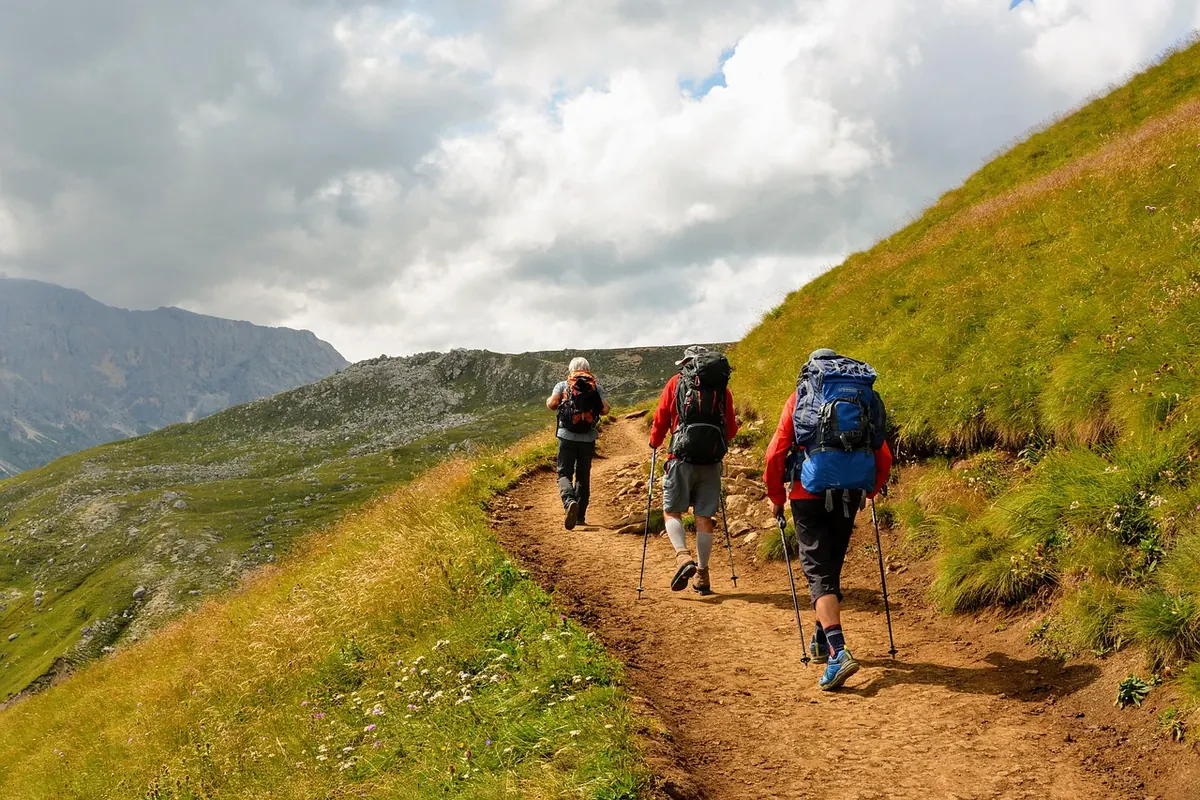
You will walk more than you expect, on stone that has been polished smooth by centuries of feet. Pack for that, not for a photograph.
Leave behind the second camera bag, the extra shoes and the instinct to fill every hour. Modest, layered, light clothing is the single most useful choice you can make.
Buy travel insurance that explicitly covers the countries on your route, and read what it says about cancellation. Speak to your doctor about vaccinations and any existing conditions, and check your government's current health advice — this is one area where professional guidance beats any article. Confirm your airport transfers and the one booking you would hate to lose.
Then, in the final week, cut something from the itinerary. Not a site you love — a site you added because it was nearby. A first pilgrimage works best when it is a little slower than you think it should be. You are not going to see everything. You are going to stand in a few places properly, and come home changed by them.
Photo: tianya1223 / Pixabay